



 May 27, 2026 12:15 pm
The figure of the sommelier is one of those silent professions that make the difference between a correct meal and a memorable experience. Much more than “the one who serves the wine”, a good sommelier knows the nuances of each bottle, knows how to read the diner and, in the best restaurants, turns the pairing into a conversation. In this article we explain what a sommelier is, what their functions are, how they differ from other wine professionals and who currently holds the title of best sommelier in Spain.
What is a sommelier
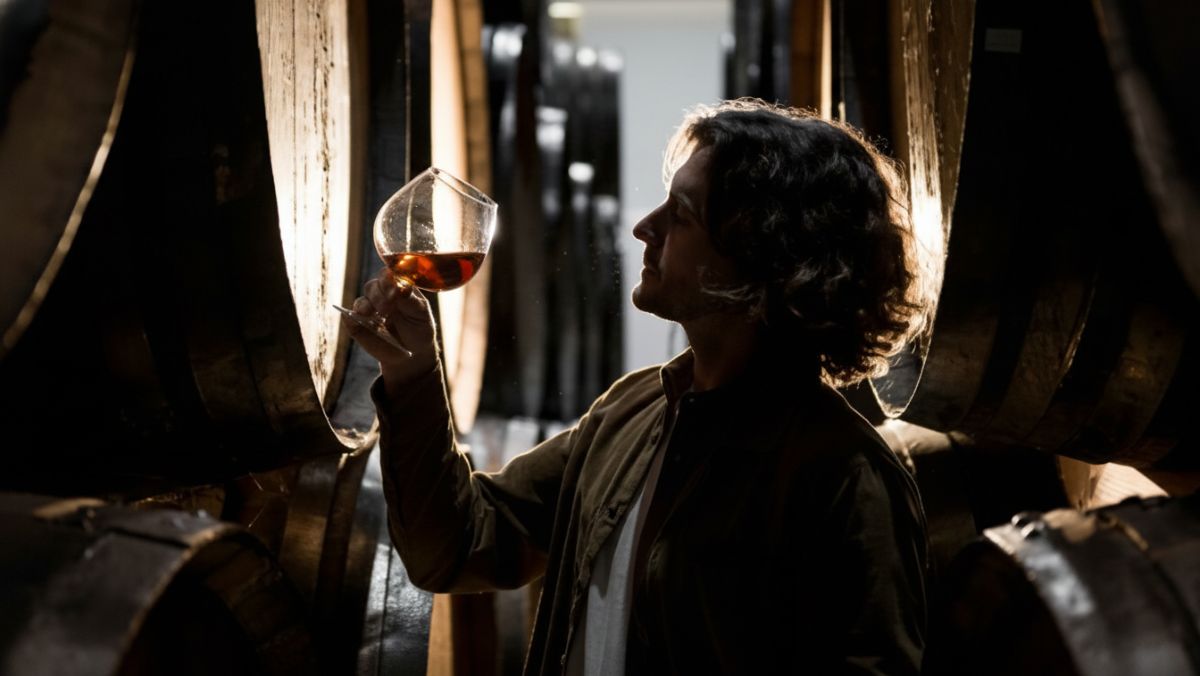
What is a sommelier: it is the professional specialized in wines and other beverages who is in charge of the selection, preservation, service and pairing in hospitality establishments. The term sommelier is the Spanish version of the French word sommelier, recognized and standardized by the Royal Spanish Academy.
The meaning of sommelier transcends technical knowledge: it also implies a vocation for service, sensitivity to understand the customer and the ability to tell stories around each glass. Although their main specialty is wine —hence many speak of wine sommelier—, today the profession also includes training in spirits, craft beers, waters, coffees and contemporary pairings.
It is worth clarifying a common confusion: What is a wine taster? It is the person who technically analyzes the organoleptic characteristics of the wine (sight, nose, mouth), but does not necessarily perform the role of service in the dining room. Every sommelier is a taster, but not every taster is a sommelier.
Functions and main characteristics of the sommelier
The functions of the sommelier go far beyond uncorking a bottle. These are the main ones:
- Design and maintain the wine list of the restaurant, aligned with the gastronomic proposal and the target audience.
- Buy, receive and preserve the bottles under optimal conditions: temperature, humidity, light, orientation.
- Recommend pairings based on the dish, the moment of the meal and the tastes of the diner.
- Serve correctly: temperature, appropriate glass, decantation when appropriate and order of service.
- Train the dining room team about the available references and the novelties of the menu.
- Also advise on spirits. The modern sommelier not only recommends wines: he masters cognacs, whiskies, rums and, especially in Spain, the brandies of Jerez. In a careful after-dinner, a good sommelier can propose a Brandy Fundador for its balance, its aging in Jerez boots and its ability to harmonize with desserts, coffee or dark chocolate.
The characteristics that define a good sommelier are: trained palate, taste memory, slow oratory, empathy with the diner and, above all, permanent curiosity for the product.
(photo)
Difference between sommelier and sommelier
The difference between sommelier and sommelier… does not exist. They are exactly the same word. Sommelier is the original French term; sommelier, the Castilian adaptation accepted by the RAE for decades. Therefore, when someone looks for ” difference between sommelier and sommelier“, they are actually reading the same profession written in two different languages.
Which one is used more in Spain? Both forms coexist. In high-end restaurants or with an international profile, sommelier is usually preferred; in more local hospitality, fairs and generalist press, sommelier has become popular. Both are correct and designate the same professional.
Difference between sommelier and oenologist
Here there is a difference between oenologist and sommelier real and substantial. The oenologist is the wine scientist: he studies and directs the elaboration process, from the vineyard to the bottle. He is responsible for technical decisions —variety, fermentation, aging, assembly— and requires specific university training: technical agricultural engineering or a degree in Oenology.
The sommelier, on the other hand, lives at the other end of the process: consumption. His field is the restaurant room, the served glass, the pairing with the kitchen. He does not intervene in the wine making: he selects it, recommends it and serves it.
To put it simply: if wine were a book, the oenologist would be the author and the sommelier, the literary critic who helps the reader choose the right work for each moment.
(photo)
How to become a quality sommelier
How to be a sommelier professional requires combining formal training, a lot of tasting and dining room experience. These are the usual steps:
- Specific training. There are several formats of sommelier course: programs in hospitality schools (FP de Restauración), university extension courses, international certifications such as WSET (Wine & Spirit Education Trust) or the qualifications of the Spanish Union of Tasters and the Spanish Chamber of Sommeliers.
- Where to study sommelier in Spain: some references are the Spanish School of Tasting (Madrid), the Basque Culinary Center (San Sebastián), Hofmann (Barcelona), ESHOB and the official hospitality schools of Madrid, Valencia and Seville.
- Experience in the dining room. No course replaces the years working in the dining room and tasting alongside professionals with a career.
- Continuous training. A good sommelier dedicates several hours a week to tasting new references, traveling to wineries and training in regions that he does not yet fully dominate.
The sector also has prestigious competitions, such as the Best Sommelier in the World —organized by the Association de la Sommellerie Internationale (ASI) every three years— or the championship of the Best Sommelier of Spain, contests that boost the profession and give public visibility to its protagonists.
The best sommelier in Spain
In 2025, the title of best sommelier in Spain —recognized by the Royal Academy of Gastronomy in its National Awards— went to Audrey Doré. After eight years at the helm of the sommelier of El Celler de Can Roca (Girona, 3 Michelin stars), Doré has led since 2024 the project Vii, a wine and dishes bar also in Girona. She was also the first woman to receive the award for Best Sommelier of Catalonia, in 2017 and 2019.
The official gala of the National Gastronomy Awards 2025 took place on October 20 in Granada, outside of Madrid for the first time in its fifty editions. Doré shares the award with other great Spanish references of the profession, such as Josep Roca, Ferran Centelles or Custodio Zamarra, essential names to understand the evolution of the sommelier in Spain.
The sommelier is, in short, the bridge between the winery and the table. And when that table is in Jerez —the cradle of Spanish brandy—, that bridge takes on a special dimension. If you want to discover the universe of aging in Jerez casks, we invite you to explore the Sherry Cask collection of Brandy Fundador, one of the favorite proposals of sommeliers for a discerning after-dinner drink.
Related posts
This post was written by Almudena Alonso
Comments are closed here.